Laser Thief vs. Laser Dance: two mixed reality laser games compared
Both games string lasers through the living room. Laser Dance focuses on pure traversal, Laser Thief on loot and the return trip. A comparison of the approaches.
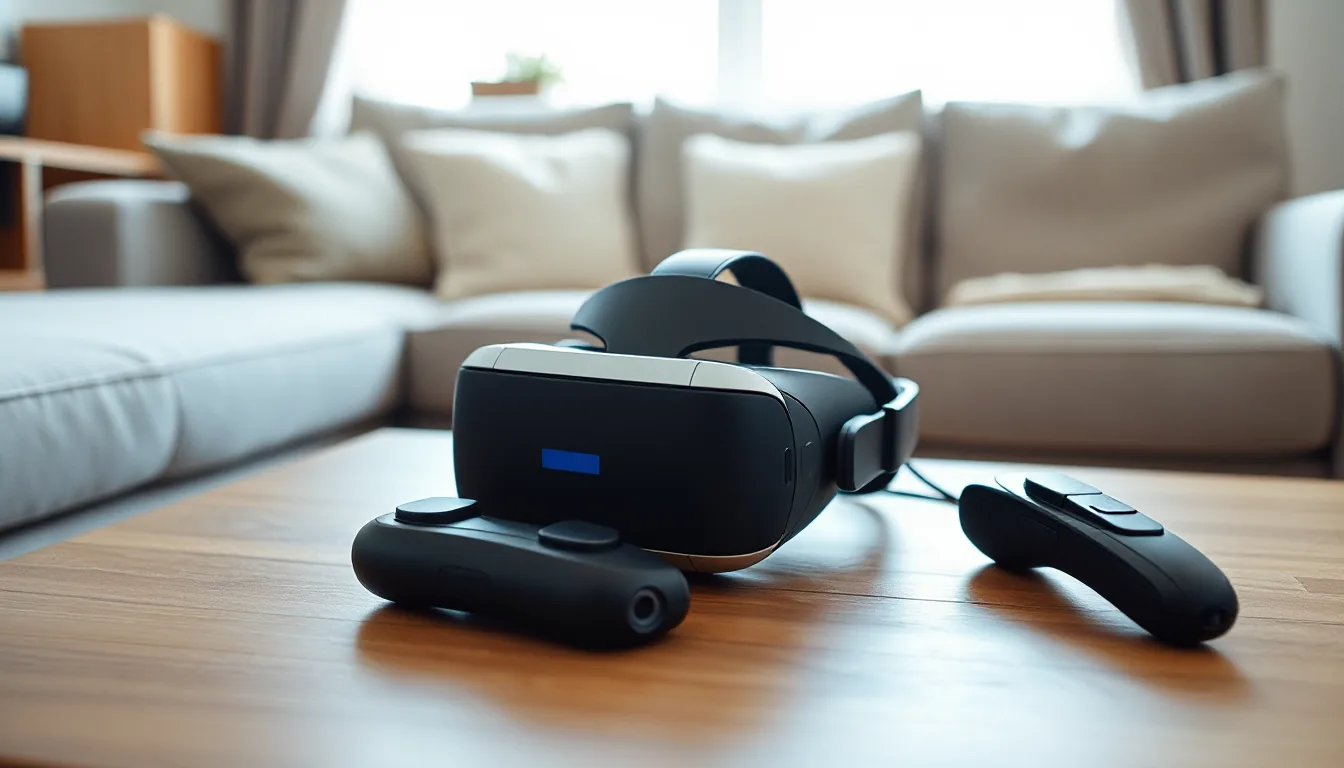
Laser Dance and Laser Thief share the same basic idea: virtual laser beams are strung through the real living room, and your body is the controller. The details, however, set the games apart. Laser Dance is an obstacle course between two points in the room. Laser Thief is built as a heist in which loot must be grabbed and brought back. Which game fits better depends mainly on the headset, the room, and the desired pace of play.
Two games, one scene from the movies
The image is familiar from spy movies: a hallway full of lasers that a character weaves through. Mixed reality on Meta Quest headsets makes this scene playable at home. After a room scan, the headsets know the location of walls, floor, and furniture. Games can therefore place beams so they appear to end at real walls.
Laser Dance comes from Thomas Van Bouwel, who previously developed the puzzle game Cubism. According to reports from UploadVR and Road to VR, the game entered Early Access on November 6, 2025, exclusively for Quest 3 and Quest 3S. The project was shown publicly years before launch and is considered the best-known mixed reality laser game on the platform.
Laser Thief is developed and published by ThreeFlavors LLC. According to the Meta Store, the first version was released on November 14, 2024.
How the gameplay compares
In Laser Dance, players move between two buttons placed at opposite ends of the room. Laser patterns appear in between, adapting to the size and layout of the room. At Early Access launch, the game included 18 levels across three sections, according to reports, each with a new type of laser. A later update added more levels and an additional laser type, according to UploadVR.
Laser Thief builds a loop with an outbound and return trip. You start on a starting pad, grab loot from the other end of the room, and bring it back. According to the studio, some lasers change when you grab the loot: amber beams become lethal, white guard lasers switch off. The way out is therefore often different from the way in.
| Feature | Laser Dance | Laser Thief |
|---|---|---|
| Goal | move back and forth between two buttons | retrieve loot and bring it to the starting pad |
| Status | Early Access launch in November 2025 | full version in the store, no Early Access |
| Headsets | Quest 3, Quest 3S | Quest 2, Pro, 3, 3S, according to the store |
| Room adaptation | patterns adapt to the room | levels adapt to the room, route check before each level |
| Framing | abstract obstacle course | story with robot companion BLIP |
Scope and structure
According to the studio’s game description, Laser Thief is broader in scope. The story mode includes five worlds with 24 levels each. There are also Dancing Lasers with ten music shows, the timed Bomb Run mode, the endless Endless Heist mode, and a Free Mode in which you set the start and goal yourself. Every fifth story level is a gadget heist with cameras, a hammer, fuse boxes, or wire cutters. However, the store page still showed older content details on October 10, 2026; buyers should check the current description there.
Laser Dance focuses on the traversal itself. The appeal lies in the purity of the task: read the patterns, adjust your body, reach the other side. Anyone looking for exactly that does not need a narrative framework. Because Laser Dance launched as an Early Access title, its scope may change with further updates.
Laser rules
Both games use different types of lasers that are introduced one after another. Laser Thief lays out its system openly: eight colors, each with a fixed rule. Red is always lethal, magenta blinks, cyan reacts only to fast movement, amber awakens when you grab the loot, green tracks the player, violet is solid only on the beat, white guards only the outbound path, and with orange only the moving lightning bolts are dangerous. A laser lexicon in the menu summarizes the rules.
Space and hardware
For Laser Thief, the store recommends an area of at least 3 × 3 meters. According to the studio, smaller rooms are thinned out, and without a room scan, a Quick Play area measuring 2.25 to 3.75 meters per side is available. Legs and feet are not tracked, so crawling is not necessary.
According to launch coverage, Laser Dance requires a Quest 3 or Quest 3S; older headsets are not supported because of their limited mixed reality features. On October 10, 2026, Laser Thief also listed Quest 2 and Quest Pro. On the Quest 2, however, the passthrough image is black and white. Laser Thief also offers a VR mode that recreates the real room as a themed world.
Price and controls
According to UploadVR, Laser Dance cost $9.99 or £7.99 at Early Access launch. Laser Thief cost £7.99 in the UK Meta Store on October 10, 2026. Prices can change. Laser Thief supports hand tracking and controllers and, according to the store, does not require an internet connection. Both games are designed for one person in the headset; Laser Thief is explicitly listed in the store as a single-player game.
Who each game is for
- Laser Dance is for players with a Quest 3 or 3S who want a clear, focused course and are happy to follow an Early Access title’s development.
- Laser Thief is for players looking for structure, progression across many levels, and variety through modes and gadgets, as well as households with older Quest hardware.
- Both require a clear, safe play area. Fragile items and pets should be removed from the room before playing.
The bottom line
The two games compete less than their shared laser might suggest. Laser Dance is the focused movement puzzle from an experienced puzzle developer. Laser Thief is a more expansive heist game with loot, a return trip, and a narrative framework. Those who like both approaches will find them more of a complement than a replacement. The latest details on Laser Thief are on the store page in the Meta Horizon Store.